
Philosophy
High standards, calm process, and a lot of joy in the craft.
I don’t help sell illusions that I wouldn’t want to live inside myself.
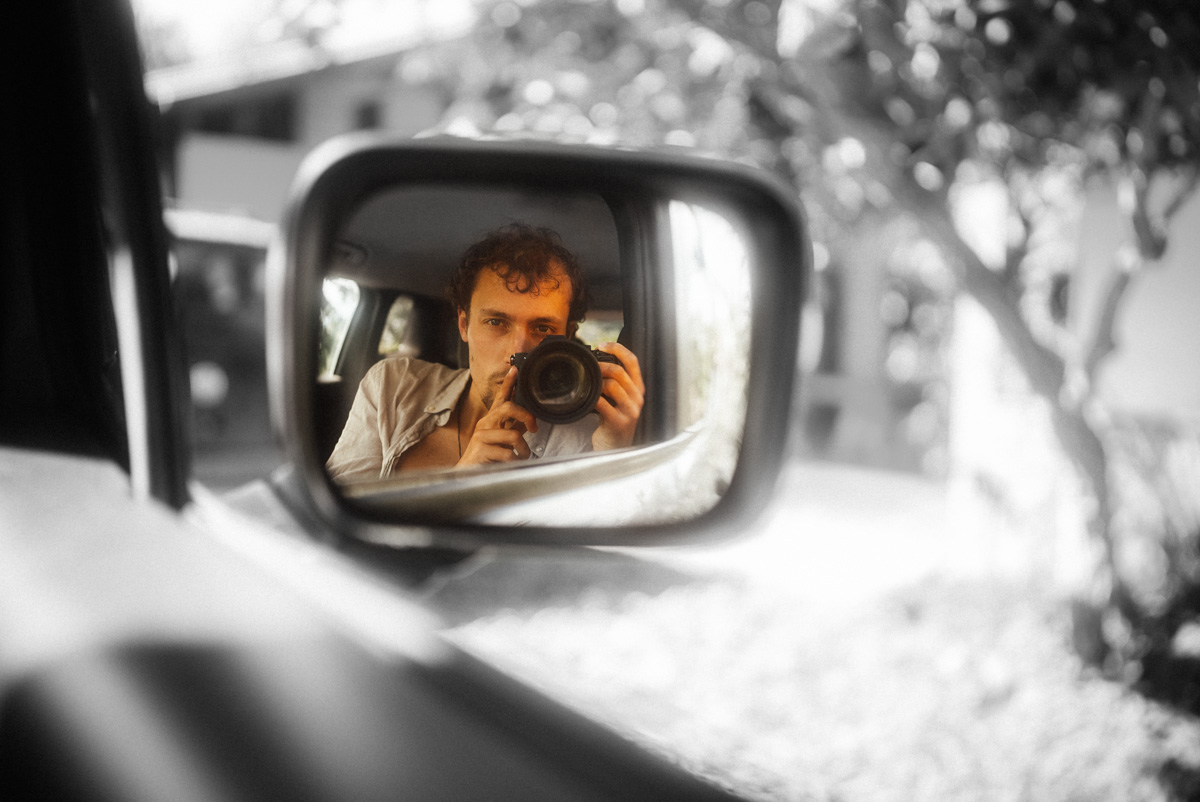
I grew up with a camera in my hands long before I had any plan to “become” something.
I didn’t start this because it was a smart career move. I started because it gave me energy, every single time.
Over the years, that turned into a craft… perhaps even into a responsibility.
Because images can build trust, but they can also distort reality.
I’m interested in the kind that holds up when time passes and the excitement is gone.
I don’t like “image work” that feels fake.
I’m not interested in polishing something into a story it can’t carry.
If a film needs to stretch the truth to look good, it usually falls apart later anyway.
The projects I enjoy most are the ones where the best version is already there — it just needs to be seen properly.
I want to be proud of what I put into the world.
I’m not interested in spending my time making things look better than they are. I want to make work I can stand behind years from now.
The kind of work I could show my future kids without having to explain myself. Work that feels clean in my body, not just clever on a screen.
I think in images before I think in sentences.
I often see the film before it exists. Not the full storyboard, but fragments: a gesture, a light change, the one moment that holds the whole thing.
That’s why I love this craft. I get to translate something internal into something real, and I’m obsessed with doing that well.
My path
I started filming before I knew it could become a job.
When I was a kid, my dad and I made small stop-motion films with playmobil toys. Later I got into photography, and I would get up ridiculously early to shoot in the fog, chasing light and deer with a bike and a camera.
At some point, friends from my parents began asking if I could shoot something for them. I said yes, because I already loved doing it. When someone asked what it costs, I realised for the first time that a hobby can turn into work – and that I had been lucky enough to grow into it without pressure.
I’m grateful for that start. And I’m sure it shaped how I work today: I take the craft seriously, but I don’t take myself too seriously. And I still care about the same thing I cared about back then – catching something real, before it disappears.
Frequently asked questions
What does CRM mean?
CRM stands for Content Relationship Management. Using a CRM platform gives everyone involved in your business a way to manage customer interactions to increase growth.
Is it really free to start?
Yes! You can opt to stay within the free tier for as long as you want to. It’s a great way to get a feel for the platform before deciding to upgrade to take advantage of the more advanced features.
Can I import data?
Yes! Getting your existing data in is easy. Simply export your existing customers to a .csv file and import them within a couple of clicks.

Salient Help Center
We offer hands-on support with a professional team of agents to ensure that your questions get answered in a timely manner.

Demo Importer
Easily import any of the demos with one click via our simple demo importer plugin.
salient architecture
salient architecture
salient architecture
salient architecture
salient architecture
salient architecture

Philip Martinez
Creator of quality designs and thinker of fresh ideas.
Far far away, behind the word mountains, far from the countries Vokalia and Consonantia, there live the blind texts. A small river named Duden flows by their place and supplies it with the necessary regelialia
What I Do
- Graphic Design
- Web Development
- Video Editing
- Audio Engineering
- Social Marketing
- NEC Strategy
- SEO Audits
- Branding
Read the latest news
Track events, lean about activities and get vacation tips for your stay with us.
Hallo Welt!